Three rules for FOOH

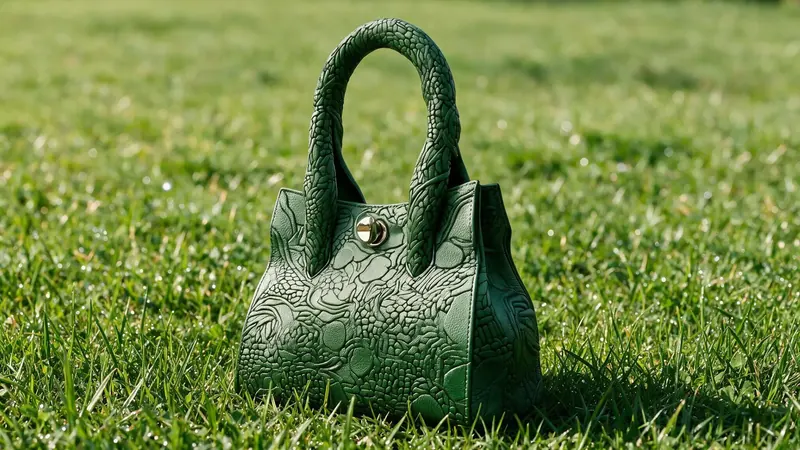
A subway train dressed in eyelashes. Giant handbags rolling through Paris. Fake out of home — FOOH — is the AI era's most shared ad genre, built on impossible installations dropped into real places. Done right, it is both legal and loved.
Why it works
Maybelline's eyelash train and Jacquemus's rolling handbags racked up tens of millions of views in 2023 without a single building permit. The mechanic is the collision. A place the audience knows lends its credibility to something impossible, and the brain loves the crash.
But the very thing that makes the genre strong — the borrowed credibility — is also what the law weighs. Which is why FOOH has three rules.
The three rules
Rule one. Push beyond the possible. No one should reasonably believe it happened, because the more possible the trick looks, the greater the risk of misleading impression.
Rule two. Be open that it is CGI or AI. The EU's deepfake definition actually includes places and events, so a photoreal fake of a real place can require disclosure. Openness costs nothing in this genre anyway. Audiences love the trick, not the lie.
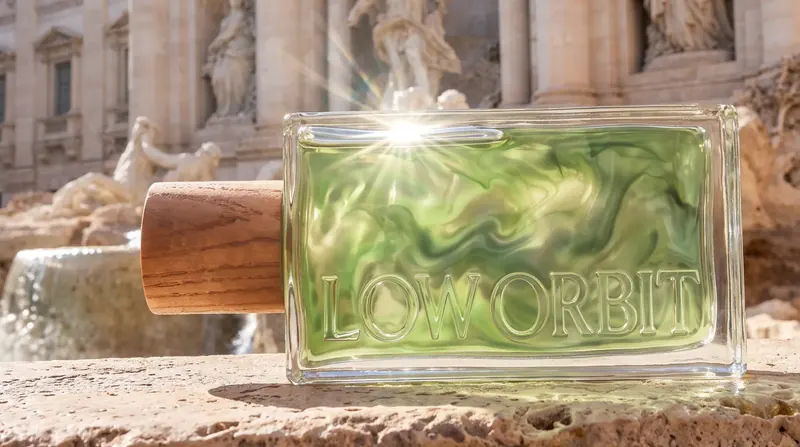
Rule three. Clear the location. Buildings can be freely depicted in Sweden, but public art, trademarks and foreign landmarks need clearance. The Eiffel Tower's light show, for example, is licensed.
Our favourite route
The most elegant option is to build FOOH inside your own world. A signature place in The Stage — your own square, your own facade — gives you the same visual collision without third-party rights. And the place becomes a recurring stage the audience learns to recognise.
If you still want a real location, the checklist above applies. Then the genre is one of the most enjoyable surfaces a brand can play on.