When real people meet AI
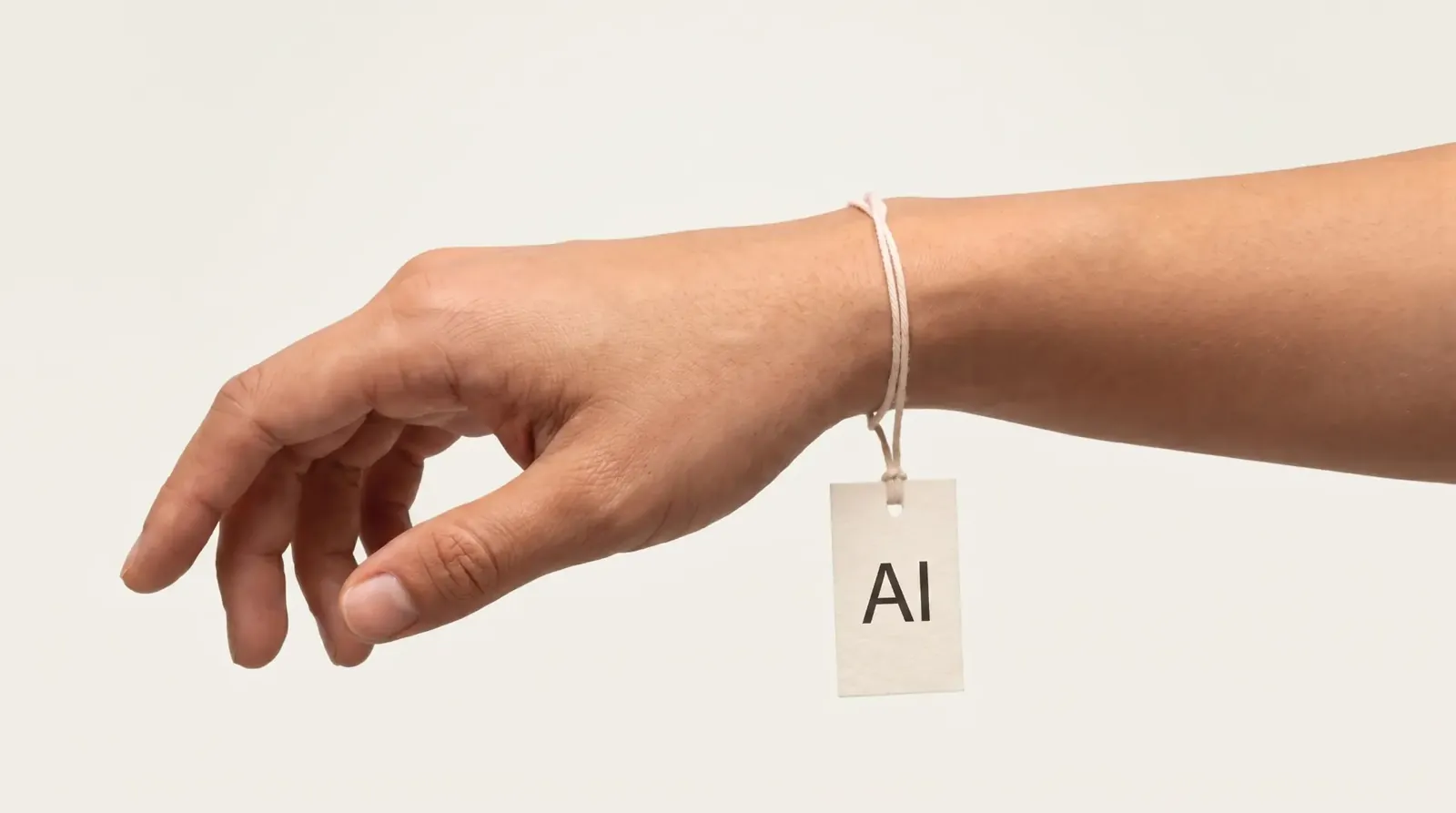
AI and real people are not opposites. Back in 2019 David Beckham lent his face to a campaign that spoke nine languages — AI-animated and with his explicit permission. Consent is the route that makes the collaboration possible. And fair.
From Beckham to opt-in
The Malaria Must Die campaign showed early what this can look like. A real face, a clear agreement and a technology that suddenly let one message speak nine languages. Since then the principle has become the norm. When OpenAI's video service Sora filled with unsolicited celebrity deepfakes in autumn 2025, the end result was strict opt-in — real faces are only used after active consent.
The direction across the industry is the same. Explicit, paid and revocable consent is the standard serious players are converging on.
What a good agreement regulates
A durable collaboration with a real person — or with a digital twin of one — is regulated in a contract. It sets scope by channel, time and market, the compensation per use, the approval process before publication and the right to withdraw consent.
One detail many miss. Even with consent, the content still qualifies as a deepfake in the eyes of the law, because it depicts a real person. A visible disclosure is therefore still required. Consent frees the use but does not replace transparency.
People and synthetic are strongest together
The smart mix is rarely either/or. Real ambassadors bring credibility and relationships. A synthetic cast brings volume, consistency and unlimited availability. Built right, they reinforce each other.
Our stance is simple. Ethics is a design question, not an afterthought. Build consent in from the start and it never becomes a crisis later.