What happens to the production budget?

No, nothing becomes free. But the money moves. It shifts from logistics to direction, and from one-off costs to an asset that grows. Here is what the new calculation looks like for buyers.
The costs that disappear
Travel, rentals, weather risk and reshoots. The big uncertainties in classic production are logistical, and they are the first to go. Once the world is built, the next image is generated where it is needed, in the format the channel requires. Klarna described back in 2024 how the move to AI-produced campaign material cut a large share of agency and photography costs.
Just as important, the same production carries more formats. What used to be an expensive adaptation chain — new crops, new environments, new seasons — becomes variants of the same world.
The costs that should remain
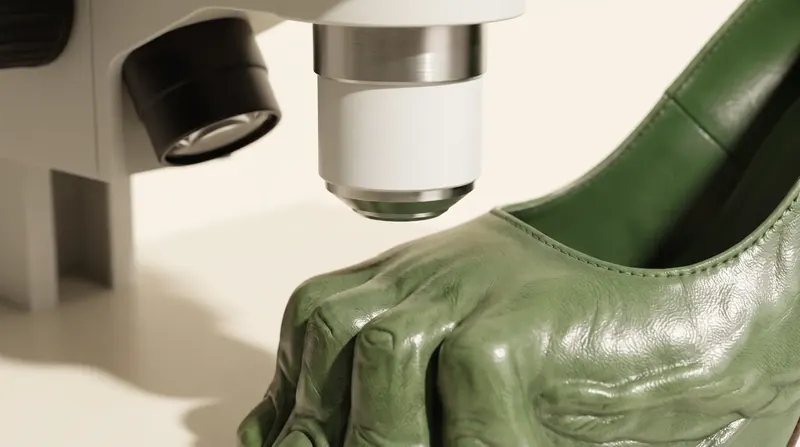
Creative direction and curation. Product accuracy, because your product must look exactly like your product. Legal hygiene in the form of documented origin, proper handling of the labelling question and orderly contracts. All of it costs money even in an AI-driven process, and that is entirely as it should be.
These are investments in the quality floor, not overhead. A partner who promises these parts are nearly free is not describing a studio. They are describing a random generator.
The right question to ask your partner
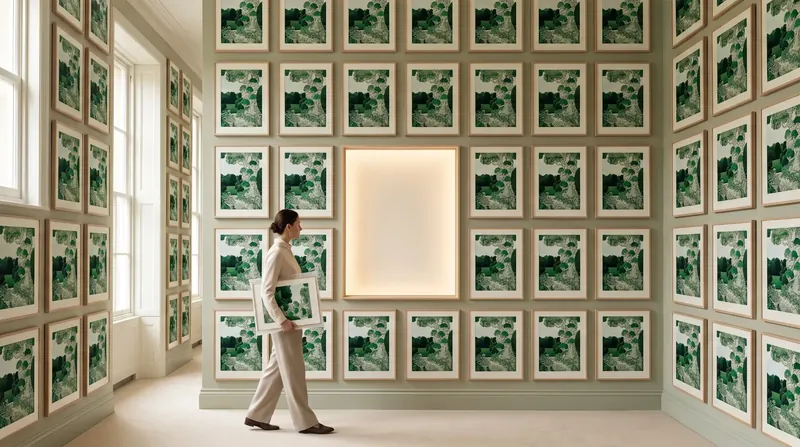
The old question was what an image costs. The new one is what a world costs — and what image number one hundred out of that world costs. Marginal cost is the whole point. The investment sits at the front of the system, and production then scales in a way classic setups never could.
Ask for a calculation in two columns: one for the one-off investment in the world, one for the ongoing cost per campaign. That is where you can see where AI actually saves money — and where quality still costs. Rightly so.